
Why Logbook Research Matters More Than Most Aircraft Buyers Realize
When a prospective buyer walks up to a Pilatus for the first time, their eyes naturally go to the paint, interior, and avionics. And for good reason. The way an aircraft presents itself can tell you quite a bit about how it’s been cared for.
At JetSwiss, we tend to beeline for something a little less “exciting.” We head straight for the aircraft records.
After reviewing thousands of maintenance and logbook entries over the years, we know that the logbooks can tell a story that cosmetics never will. They show where it has been, what has been done, how it has been maintained, and sometimes, where questions still need to be answered.
In fact, some of the biggest value differences we see between seemingly similar PC-12s have nothing to do with appearance but everything to do with what’s found on paper.
Why Complete Logbook Records Matter
A well-maintained aircraft should have a well-maintained paper trail.
Missing logbooks or incomplete records create uncertainty. Buyers may question whether required inspections were completed, if repairs were properly documented, or whether damage history exists.
Comprehensive records provide confidence by showing:
- Maintenance compliance
- Inspection history
- Airworthiness Directive compliance
- Component replacements
- Major repairs or modifications
- Engine and propeller history
The more complete the records, the easier it becomes to understand the true condition of an aircraft. The records are where the truth lives.
How Logbooks Impact Aircraft Value
Believe it or not, aircraft records can directly affect market value.
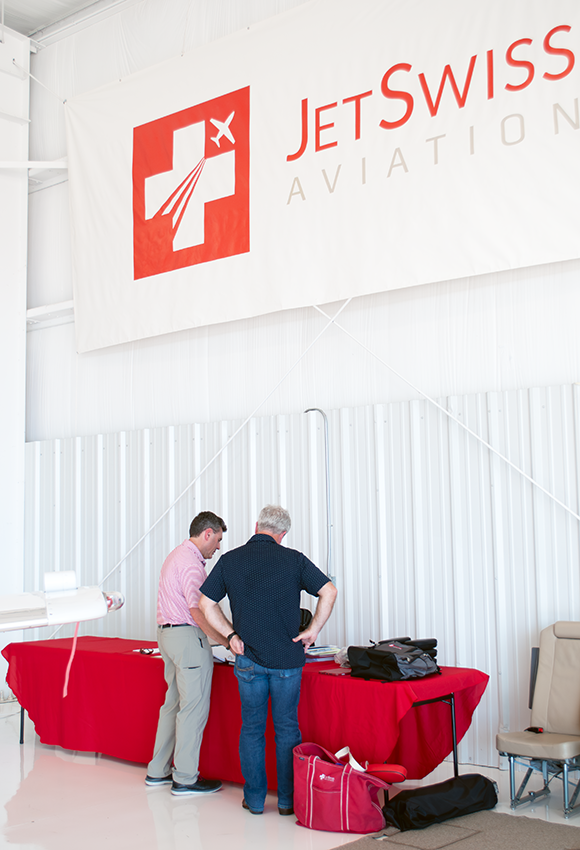
We once hosted an aircraft showing, and we carefully laid out all of the aircraft’s records for review. One of the attendees walked over and placed her coffee right on top of the documents… without a lid! We collectively held our breath. How would she know that a stack of paper could be nearly as important as the airplane sitting next to it?
When buyers encounter missing documentation, they often factor additional risk into their purchasing decisions. That risk frequently translates into lower offers, longer marketing times, and increased scrutiny during pre-purchase inspections.
On the other hand, complete and organized records can help support stronger positioning in the marketplace. Good records don’t just document value. They help protect it.
Protecting Aircraft Records
That’s also why we treat aircraft records with nearly the same level of care as the aircraft itself.
At JetSwiss, physical aircraft documentation is kept safely protected from the elements, including rogue cups of coffee.
Whenever possible, we also maintain digital copies of aircraft records. Having both physical and electronic documentation provides an additional layer of protection and makes it easier to preserve an aircraft’s history throughout its ownership.
After all, paint can be redone. Interiors can be refurbished. Avionics can be upgraded. But you can’t recreate 20 years of aircraft history.
Aircraft Logbooks tell a story
An aircraft’s logbooks tell its story. They share how the aircraft has been maintained, operated, and cared for throughout its life.
Before buying or selling any aircraft, thorough logbook research should be a critical part of the process. The time invested today can prevent costly surprises tomorrow while helping buyers and sellers make informed decisions.
Sometimes the most important things to know about an aircraft aren’t found on the ramp. They’re found in the records.